
As a foodie who has tested countless rice dishes, I still crave a warm plate of Namkeen Chawal Recipe on quiet nights because it feels like home. This savory rice may look simple, but when cooked with the right technique, it delivers aroma, fluffy texture, and balanced flavour that truly represents Pakistani home cooking.
Introduction
Namkeen Chawal is a traditional Pakistani savory rice made with onions, whole spices, and gentle seasoning. It is known for its light yet satisfying taste and for being easy enough for everyday cooking while still feeling special on the table.
Many households prepare this rice when they want something quick, budget-friendly, and comforting. It fits perfectly for lunch or dinner and pairs well with daal, yogurt, or curry, making it a versatile staple in desi kitchens.
This recipe is a clear and practical way so even beginners can succeed. Every step is based on real home-style cooking methods that focus on flavour, texture, and consistency.
About Recipe
What is Namkeen Chawal
In Urdu “Namkeen” means savory, and “Chawal” means rice, so it’s Savory Rice, and it is essentially a minimal pulao without meat or vegetables. Instead of relying on heavy ingredients, it builds flavour through onions, cumin, and careful Dum cooking.
The dish highlights the natural aroma of basmati rice. Each grain stays separate, lightly spiced, and fragrant, which makes it comforting without feeling heavy.
Origin and History
This dish comes from everyday Pakistani home kitchens where cooks needed simple but flavourful meals. It likely developed as a lighter version of pulao when meat or vegetables were not available.
Over time, it became a comfort staple because it requires few ingredients yet delivers dependable taste. Many families pass their own version down through generations.
We use proper Dum cooking for fluffy grains. That makes the texture restaurant quality.
Personal Story Behind This Namkeen Chawal
I grew up eating Namkeen Chawal in Gujranwala where simple food always tasted the best. Our family often paired it with daal, homemade raita, salad, and spicy pickles, and those meals felt complete even without meat.
My mother cooked this rice frequently because it was quick, affordable, and filling. She always said this was the easiest rice for beginners, and she taught me how patient onion browning and slow Dum make all the difference.
Some of my best memories are from late nights when hunger struck and I visited Basheer Daal Chawal. A hot plate of namkeen chawal and daal at midnight felt incredibly comforting, and those simple meals are still unforgettable.
Even today, whenever I cook this dish, it brings back memories of home, family dinners, and carefree childhood days. That emotional connection is why this recipe remains special to me and why I share it exactly the way my mother taught me.
Why This Recipe is Different and Best
This recipe focuses on proper onion browning, correct spice timing, and controlled steaming. These three elements dramatically improve the final flavour and texture.
Instead of overloading spices, we keep seasoning balanced so the rice aroma shines. The result is fluffy, savory rice that tastes clean, comforting, and restaurant quality.

Menu Pakistan Kitchen Notes
⏱️Prep Time: 5 min
⌛Cook Time: 30 min
🕧Total Time: 35 min
🧑🤝🧑Servings: 4 People
🍳Cooking Method: One Pot
🧂Flavour Style: Mild, savory, comforting
👍Best For: Everyday family meals
💯Skill Level: Beginner friendly
💲Budget: Low-cost pantry recipe
🌟Key to Success: Golden onions, Patient Dum
Ingredients of Recipe
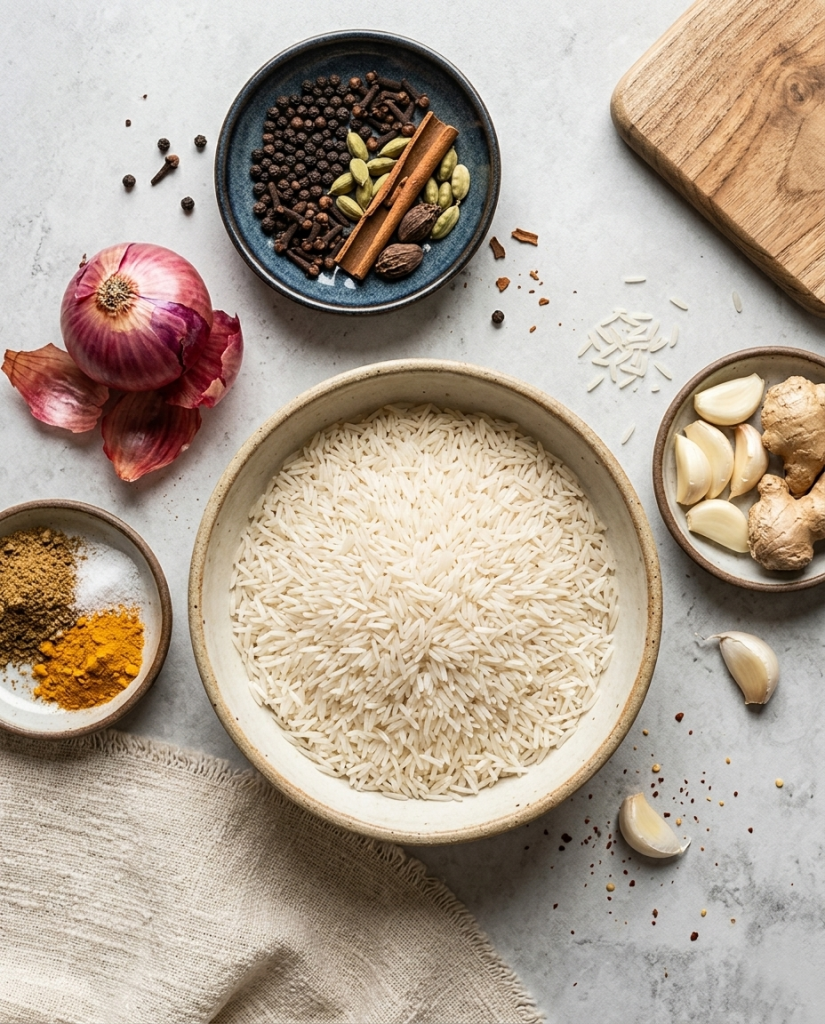
➡️Rice
Use high-quality basmati rice for best results because it gives long, aromatic grains. Proper washing removes extra starch and helps grains stay separate after cooking. Use 1–1.5 cups for 4 servings.
Soaking for about 20 minutes can improve texture and elongation. However, if you are short on time, you can cook without soaking by managing water carefully.
➡️Onions
Thinly sliced yellow onions are essential because they build the base flavour. Slow frying brings out natural sweetness and gives the rice its warm colour.
Rushing onions often leads to sharp taste instead of sweet depth. Patient browning always improves the dish.
You can use red onions instead of white because in south Asian homes we often use red ones.
➡️Ginger and Garlic
Both ginger and garlic add savory warmth and depth. You can use paste or fresh versions depending on availability and preference.
Use moderate amounts so they support the rice rather than dominate it. Balanced flavour is the goal.
➡️Whole Spices
Cumin seeds are the star spice and define the aroma of namkeen chawal. Cinnamon, cloves, and peppercorns act as supporting spices that add gentle warmth.
Optional spices like black cardamom or star anise can deepen flavour. Still, the dish works well even without them.
➡️Ground Spices
Turmeric provides golden colour and mild earthiness. Coriander powder adds subtle citrusy warmth that rounds out the flavour.
Keep ground spices minimal to maintain the dish’s light profile. Namkeen chawal should never feel heavy.
➡️Salt
Adjust salt to taste. Always taste your water before Dum.
➡️Oil or Ghee
Neutral oil keeps the rice light and clean tasting. Ghee adds richer aroma and a more traditional touch.
Both options work well, so choose based on your preference. Many home cooks mix both for balance.
➡️Water or Stock
Water is commonly used and gives a clean taste. Stock adds extra depth and savory richness.
Always measure liquid carefully because rice texture depends on it. Too much water leads to mushy rice.
Controversial Ingredient
The choice between fresh ginger-garlic and paste often divides cooks. Fresh gives a sharper and more vibrant flavour.
Paste provides a mellow and blended taste that many people prefer in namkeen chawal. Neither is wrong, and both can be delicious.
Optional Ingredient
Black peppercorns add gentle heat and depth. They are optional but enhance aroma nicely.
You can skip them if you prefer milder rice. The dish will still taste great.
To Soak or Not to Soak the Rice
Soaking rice is a debated topic in many households. Some cooks always soak while others skip it entirely. Both produce good results.
My mother always soaked rice. So, I follow that habit.
Soaking for 20 minutes helps grains cook evenly and expand beautifully. It also reduces cooking time slightly.
If you skip soaking, you must control heat and water more carefully. Both methods can produce good results when done properly.
Step by Step Recipe
Step By Step recipe
Step 1 Preparation
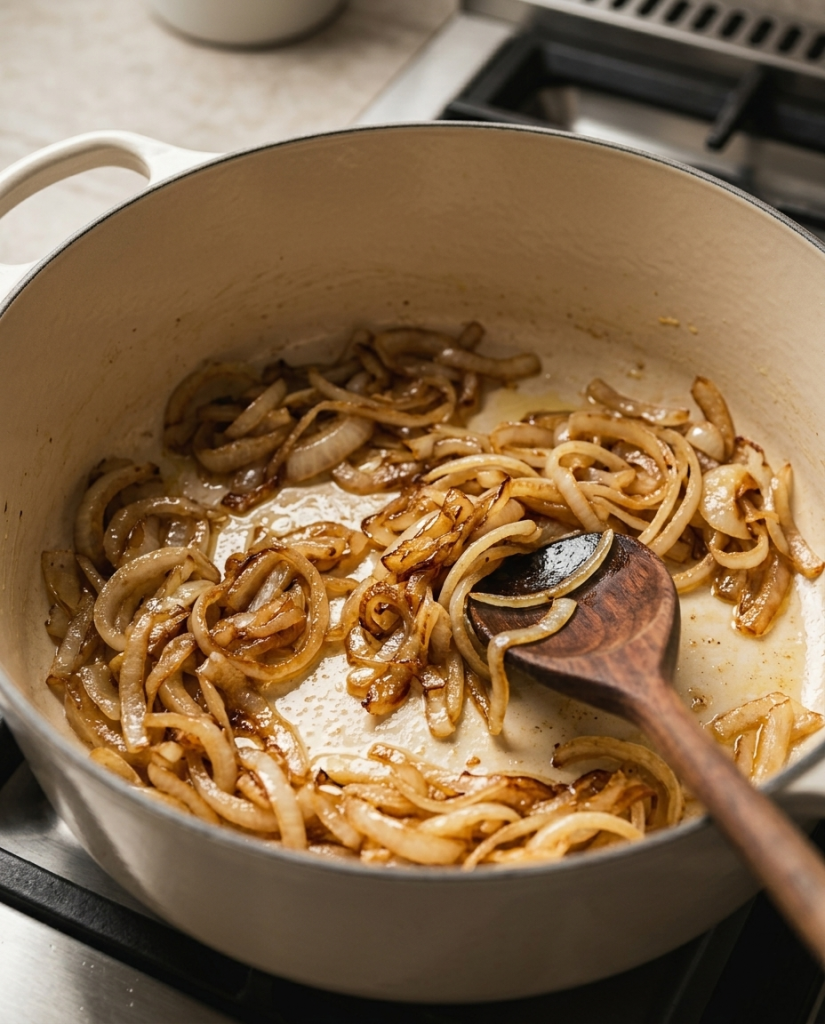
Wash rice thoroughly until water runs clear, then soak if desired. Slice onions and measure all spices before starting so cooking flows smoothly. Good preparation prevents overcooking and helps maintain timing. Organized cooking always improves results.
Step 2: Blooming Spices
Heat oil or ghee in a heavy pot and add whole spices. Let them crackle gently so their essential oils and aroma are released. This step creates the flavour base of the dish, so be careful not to burn the spices.
Step 3: Frying Onions
Add onions and cook on medium heat until they turn golden brown. Stir regularly to get an even color and to prevent burning. As the onions darken, slightly reduce the heat. Proper browning brings sweetness and depth to the dish.
Step 4: Adding Ginger and Garlic
Add ginger and garlic and cook until the raw smell disappears. If the mixture starts sticking, add a small splash of water to deglaze the pot. This keeps the flavours clean and prevents burning. Gently scrape the base of the pot.
Step 5: Making Masala
Add turmeric, coriander, and salt, then mix them well into the onions. The oil should lightly coat the spices and form a fragrant masala. This step locks the flavour into the oil, so proper mixing is important.
Step 6: Boiling Rice
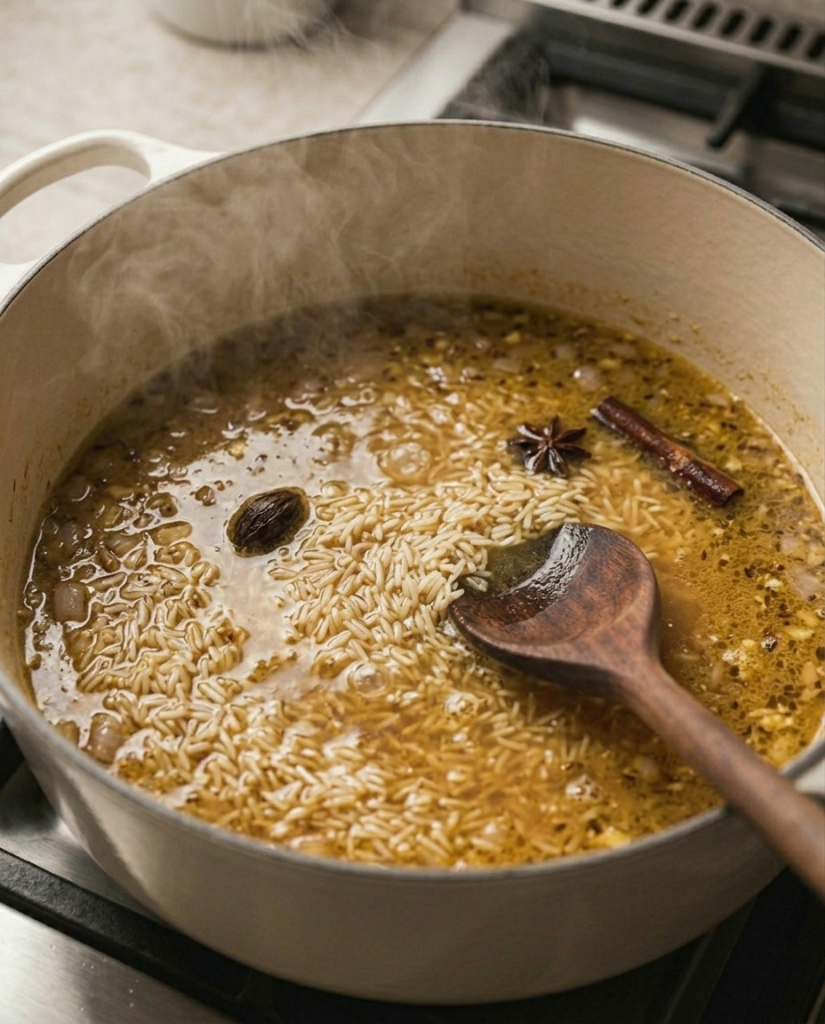
Add drained rice along with measured water or stock. Bring it to a boil and adjust salt by tasting the liquid. As the water reduces, small steam holes will appear on the surface. This indicates the dum stage is near.
Step 7: Dum Process
Cover the pot tightly and cook on very low heat for 15–20 minutes. Avoid opening the lid repeatedly because the trapped steam is what cooks the rice. A controlled dum results in fluffy grains, so patience is key.
Step 8: Fluffing
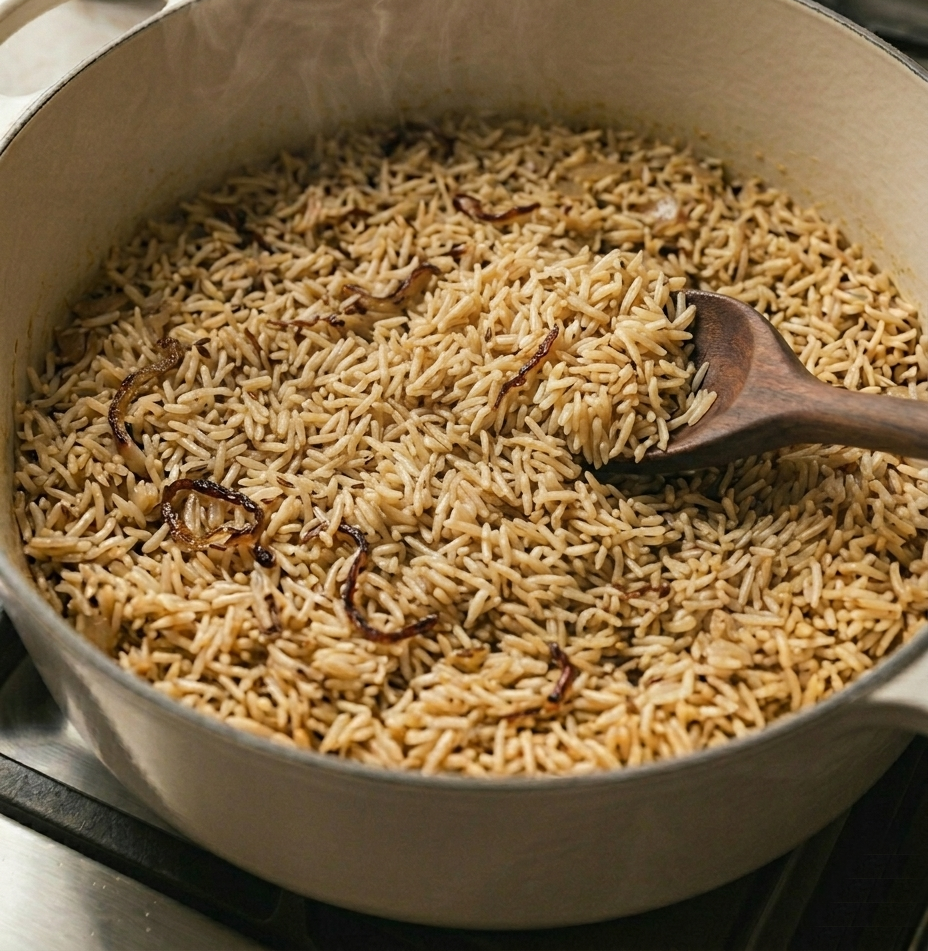
Once cooked, gently fluff the rice with a fork. Let excess steam escape for a few minutes before serving. Handle the rice carefully to avoid breaking the grains. Gentle fluffing helps keep the grains long and separate.
مرحلہ وار ترکیب
مرحلہ 1 تیاری
چاول کو اچھی طرح دھوئیں جب تک پانی صاف نہ ہو جائے، پھر چاہیں تو بھگو دیں۔ پیاز باریک کاٹ لیں اور تمام مصالحے پہلے سے ناپ لیں تاکہ پکانے کا عمل آسان رہے۔
اچھی تیاری زیادہ پکنے سے بچاتی ہے اور وقت کا توازن برقرار رکھتی ہے۔ منظم انداز میں پکانا ہمیشہ بہتر نتائج دیتا ہے۔
مرحلہ 2: مصالحوں کو بھوننا
بھاری پتیلے میں تیل یا گھی گرم کریں اور ثابت مصالحے شامل کریں۔ انہیں ہلکے سے چٹخنے دیں تاکہ ان کے قدرتی تیل اور خوشبو باہر آئیں۔ یہ مرحلہ ذائقے کی مضبوط بنیاد بناتا ہے، اس لیے دھیان رکھیں کہ مصالحے جلنے نہ پائیں۔
مرحلہ 3: پیاز تلنا
پیاز شامل کریں اور درمیانی آنچ پر سنہری بھورے ہونے تک پکائیں۔ یکساں رنگ اور بہتر ذائقے کے لیے باقاعدگی سے چلاتے رہیں۔ جیسے جیسے پیاز گہری ہونے لگے، آنچ تھوڑی کم کر دیں۔ اچھی براؤننگ مٹھاس اور ذائقے میں گہرائی لاتی ہے۔
مرحلہ 4: ادرک لہسن شامل کرنا
ادرک اور لہسن ڈال کر اتنا پکائیں کہ کچی بو ختم ہو جائے۔ اگر مصالحہ نیچے لگنے لگے تو تھوڑا سا پانی ڈال کر برتن کی تہہ صاف کریں۔ اس سے ذائقہ صاف رہتا ہے اور جلنے سے بچاؤ ہوتا ہے۔ تہہ کو نرمی سے کھرچیں۔
مرحلہ 5: مسالہ بنانا
ہلدی، دھنیا اور نمک شامل کریں اور انہیں پیاز میں اچھی طرح مکس کریں۔ تیل مصالحوں پر ہلکی تہہ بنا لے اور خوشبودار مسالہ تیار ہو جائے۔ یہ مرحلہ ذائقے کو تیل میں بند کرتا ہے، اس لیے درست مکسنگ ضروری ہے۔
مرحلہ 6: چاول ابالنا
چھانے ہوئے چاول اور ناپا ہوا پانی یا یخنی شامل کریں۔ اُبال آنے دیں اور شوربہ چکھ کر نمک ایڈجسٹ کریں۔ جب پانی کم ہونے لگے تو اوپر چھوٹے بھاپ کے سوراخ بنیں گے، جو دم کے مرحلے کی نشانی ہیں۔
مرحلہ 7: دم کا عمل
برتن کو اچھی طرح ڈھانپ کر بہت ہلکی آنچ پر 15 سے 20 منٹ پکائیں۔ ڈھکن بار بار نہ کھولیں کیونکہ بھاپ ہی چاول کو اچھی طرح پکاتی ہے۔ متوازن دم سے چاول کھلے اور نرم بنتے ہیں، اس لیے صبر ضروری ہے۔
مرحلہ 8: چاول کھلانا
چاول پکنے کے بعد کانٹے کی مدد سے آہستہ سے کھلا کریں۔ پیش کرنے سے پہلے چند منٹ اضافی بھاپ نکلنے دیں۔ چاول کو ٹوٹنے سے بچانے کے لیے نرمی سے ہلائیں۔ ہلکا کھلانا دانوں کو لمبا اور خوبصورت رکھتا ہے۔
Secret Tips and Tricks
Add ground spices directly to fried onions for deeper flavour. Spices added to water taste weaker.
Use a heavy pot for even heat distribution. Thin pots often burn rice at the bottom.
Never over-stir during cooking because it breaks grains. Minimal handling keeps rice beautiful.
Rest rice briefly after Dum before serving. This improves texture.
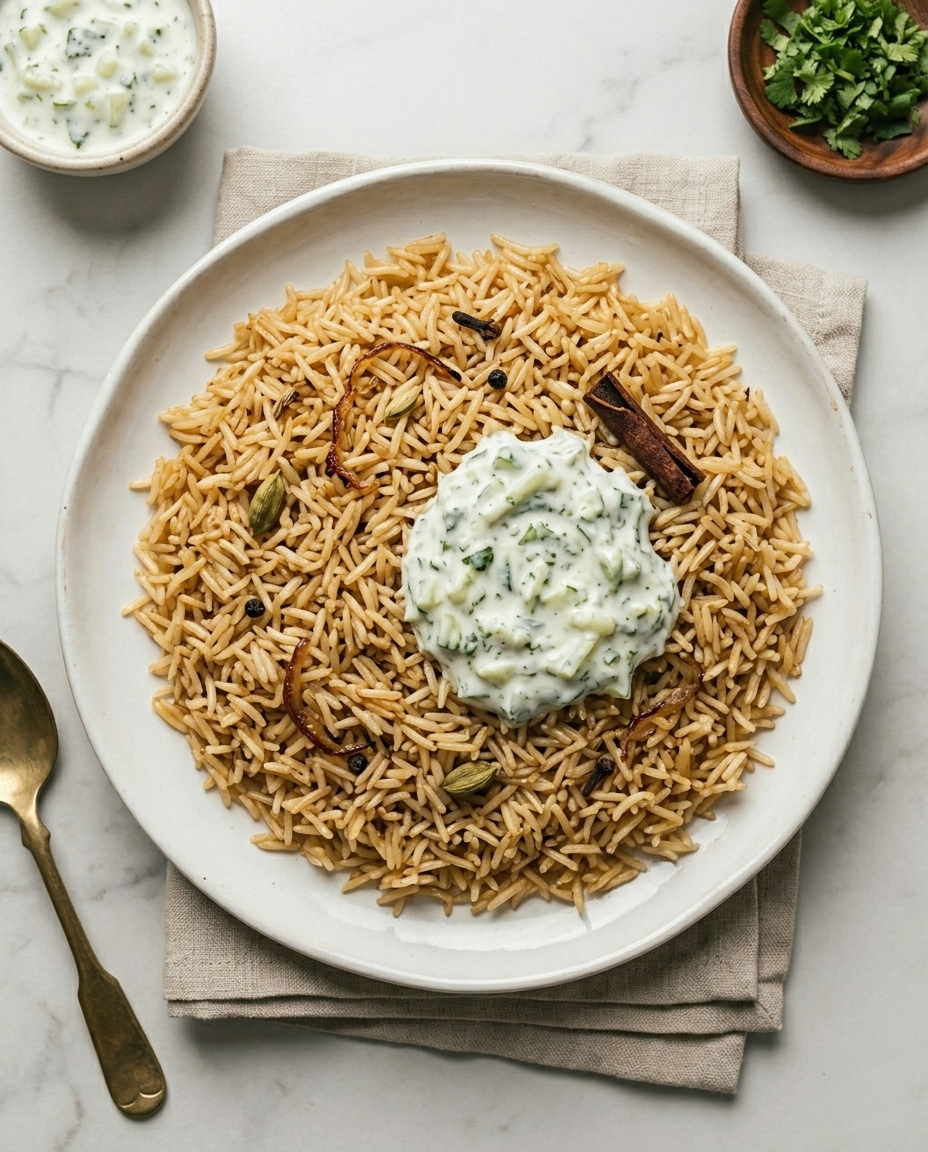

Pakistani Namkeen Chawal/Pulao Recipe – Namkeen Rice
Ingredients
Equipment
Method
- Prep ingredients: Gently swirl rice in a bowl of cold water; allow to soak for 15-30 minutes. Drain rice in strainer and rinse it until water runs clear to remove any debris. Set aside in strainer or bowl. Measure spices, ginger paste, and garlic paste and set aside. Select heavy pot and turn stove on medium heat.
- Bloom spices: Once pot is hot, add oil and allow to heat through. It’s ready when it shimmers. Add whole spices and allow to bloom for 30-60 seconds.
- Frying onions: Add onion slices and stir to coat with oil and spices. Arrange in a relatively flat layer and fry on medium heat until 75% are golden brown. Stirring from time to time. Lower heat just a smidge (turning dial 5 degrees lower than medium) and add ginger and garlic. Caution as oil can spit at this stage. Allow to cook until these are fragrant, about 1 minute.
- Making masala: Add ground spices and salt. Stir until fragrant.
- Cooking rice: Add rice and mix together. Add water or broth. Bring to a boil. Allow rice to absorb liquid and cook off. You can speed this up by stirring rice mixture constantly for 30 seconds or so. Turn heat to low, cover with dish towel and lid, and steam for 15 minutes. Turn off heat. Fluff with fork. I leave my Dutch oven on the stove uncovered after doing so to allow any remaining moisture to evaporate.
- Serve alongside vegetarian or meat dishes, raita, or salad. Store in airtight container for up to 3 days.
Notes
Why You Have to Make This Recipe
This recipe uses simple, affordable ingredients that most kitchens already have. It is beginner friendly yet teaches essential desi rice techniques.
Learning this dish builds confidence for cooking pulao and biryani. It is a strong foundation recipe.
It also suits light meals and busy schedules. Few dishes deliver this much comfort with so little effort.
What Goes With This Recipe
Raita and Salad
Cool yogurt raita balances the warm spices beautifully. Fresh salad adds crunch and freshness to the meal.
Daal Chawal
Serving namkeen chawal with lentil curry creates a classic comfort plate. This combination is nutritious and filling.
With Curries
Chicken or beef curry pairs wonderfully because the rice absorbs gravy. The mild rice balances rich curries.
Conclusion
Namkeen Chawal proves that simple cooking can still be deeply satisfying when technique is right. Balanced spices, proper Dum, and good rice handling make all the difference.
Once you master this recipe, you gain a strong base for many Pakistani rice dishes. It is a timeless comfort food that never goes out of style.
